
Trump Executive Orders Today: Understanding Their Impact And Significance - Trump's economic agenda emphasized tax cuts, deregulation, and trade policy reform. Notable orders include: The impact of Trump's executive orders varied across different sectors:
Trump's economic agenda emphasized tax cuts, deregulation, and trade policy reform. Notable orders include:
These orders aimed to reduce healthcare costs and provide more flexibility for consumers and employers.
Executive orders have always been a powerful tool for U.S. presidents to implement policies without needing congressional approval. Donald Trump, during his presidency, issued numerous executive orders that reshaped various aspects of American governance. Today, understanding Trump's executive orders is crucial for analyzing their lasting effects on policies, industries, and society.
Immigration was a central focus of Trump's executive orders. Below are some key orders related to this topic:
This order mandated that for every new regulation issued, two existing regulations must be eliminated. The aim was to reduce bureaucratic red tape and promote economic growth by simplifying regulations.
Understanding these impacts is vital for assessing the long-term consequences of Trump's policies.
We encourage readers to share their thoughts and insights in the comments below. For more in-depth analysis of U.S. politics and policy, explore our other articles on this website. Stay informed and engaged in the democratic process!
Before diving into the details of Trump's executive orders, it's essential to understand the man behind them. Donald J. Trump served as the 45th President of the United States from January 20, 2025, to January 20, 2025. Below is a summary of his background:
These orders aimed to tighten border security and enforce stricter immigration laws, aligning with Trump's campaign promises.
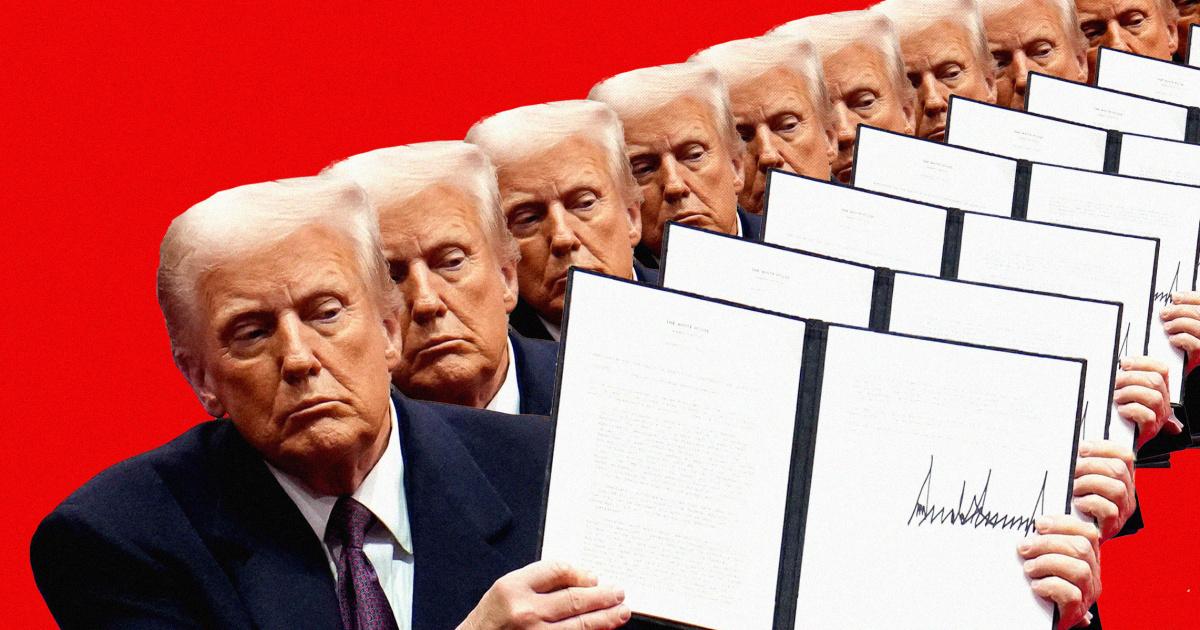
Executive orders are legally binding directives issued by the President of the United States to manage federal operations. During his presidency, Trump issued over 200 executive orders, many of which aimed to reverse policies established by previous administrations while advancing his own agenda.
These actions prioritized energy independence and economic growth over environmental concerns, sparking criticism from climate advocates.
These actions underscored the transient nature of executive orders and their susceptibility to change with new administrations.
